

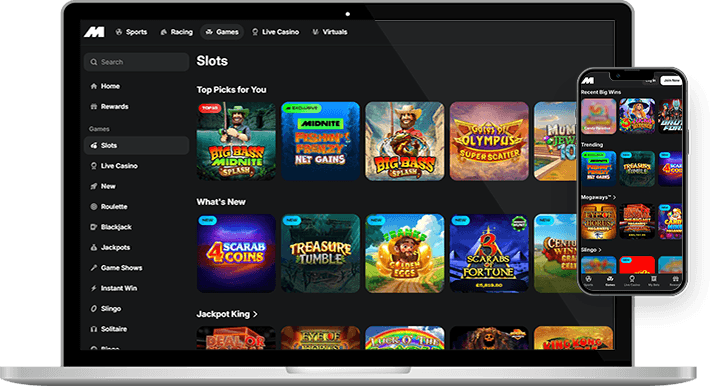
Picking a table at no deposit bonus casino playregal doesn’t involve clicking the very first thumbnail that draws your attention. The lobby is a carefully curated mix of traditional games, live dealer rooms, and new twists on old favorites. When you approach the selection with a solid plan, you gain more value, longer sessions, and bypass the typical traps: inconsistent rules, wrong pacing, poor bankroll fit. This guide presents a reliable method for evaluating any table before you make a bet.
Assessing Table Pace and Player Count in Live Environments
A live blackjack table with seven players feels nothing like one with two players and the dealer. More people results in more hands per shoe, but the action returns to you much slower. The social side ramps up, but your hands per hour drop. If you want to play alone, hunt for tables with empty seats or log in early in the morning when traffic is light.
Playregal’s live lobby usually shows seat availability before you even load the stream. Some tables have a bet-behind feature, so you can wager on another player’s hand when all seats are taken. That holds you in the action, but you give ca.wikipedia.org up decision-making control. If you want to call every split and double yourself, wait for an open chair instead of settling for a passive role.
Dealer experience and studio format also affect table speed. Some live roulette studios use automated wheel-launch systems that maintain spin intervals consistent. Others rely on the croupier’s rhythm. Watch a few rounds before you bet to get a feel for the tempo. If you’re a patient, methodical player, avoid rapid-fire auto-roulette setups where you have only a few seconds to decide.
Understanding Table Limits and Aligning Them to a Practical Bankroll
Every table at Playregal displays a minimum and a maximum bet. Those numbers serve a real purpose. They’re the first filter that prevents you from betting at stakes that ruin your money management. A common blunder is sitting down at a table where the minimum bet is five percent or more of your whole session bankroll. That kind of ratio leaves zero room for variance and forces you to play scared, which is not viable.
A wise rule of thumb that disciplined players apply is the one percent rule: your base bet should be no more than one percent of your session bankroll. With £200, that means searching for tables with a £2 minimum. Playregal’s lobby typically shows the limits before you click in, and narrowing by stake range is a cold, mechanical step that cuts out emotional temptation.
Maximum limits are just as critical if you employ any kind of progression system. If the table cap is too tight, you cannot properly follow your betting pattern when a hot streak appears. Players who prefer positive progressions should check that the table maximum allows at least four or five doubling steps before you reach a wall. That quick check spares you from mid-session frustration and a required move to another table.
Examining Rule Variations That Alter the House Edge
Not all blackjack tables with the same name function the same way. The differences hit your pocket directly. A game where the dealer stands on soft 17 provides a lower house edge than one where the dealer hits. At Playregal, you can find the rules in the info panel or help menu of each table. If you neglect reading those details, you’re just handing extra margin to the casino.
In blackjack, the payout on a natural blackjack is the biggest variable. A 3:2 payout is the benchmark for a decent game. A 6:5 payout, on the other hand, increases the house edge considerably. Doubling restrictions, resplit rules, and the number of decks all nibble away at your expected return, or provide a little back. Make reading these rules a pre-session habit; it directly influences your long-term results.
Roulette conceals its edge in plain sight with the wheel format. European single-zero roulette has a house advantage about half that of American double-zero roulette. Playregal offers both. A sharp player regards the American wheel as a bit of fun, not a serious tactical environment. The same idea applies for baccarat: those commission-free side bets often carry a steeper vig than the main game.
Grasping the Distinction Between RNG Tables and Live Dealer Studios

The first big choice divides the lobby into two categories of tables: RNG (random number generator) and live dealer. RNG tables are digital games where certified algorithms determine each outcome. They’re fast, completely private, and you can jump in at any stake without waiting for a seat. You can test strategies quickly, pause mid-hand, and nobody’s watching.
Live dealer tables broadcast real croupiers from professional studios. The pace is slower on purpose, reflecting the rhythm of a physical casino. You can chat with the dealer and other players, and seeing actual cards or a real roulette reddit.com wheel spin adds a layer of trust that pixels can’t match. Playregal has several live studios, so the vibe can vary a lot depending on the dealer’s style and the time of day.
The real question isn’t which format is better in a vacuum. It’s which one aligns with what you’re trying to do right now. If you need to push through bonus wagering requirements fast, RNG blackjack or roulette will be way more efficient. If you’re after the social cues, the timing, and the ritual of a real casino, head straight to the live lobby and embrace its slower, more natural rhythm.
Determining Table-Specific Bonus Compatibility and Wagering Nuances
Bonus funds at Playregal carry contribution weightings that vary by game category and often by individual table. Slots usually contribute 100% toward wagering, but table games often are at 10% or 20%, and some titles are excluded completely. If you claim a welcome offer and then sit down at an ineligible blackjack variant, you’re basically nullifying the promo value, no matter how well you play.
The smart move is to examine the bonus terms before you play. Look for the list of qualifying games or the contribution rates. Live dealer tables usually have stricter exclusions than RNG ones because the lower house edge makes clearing bonuses easier mathematically. That’s not a hidden trick; it’s standard industry design, and Playregal makes the info available to anyone who chooses to look.
On top of contribution rates, some tables also have maximum bet limits while a bonus is active. If you go over that cap, you could cause a forfeiture clause. The safest approach is to keep bonus play to clearly eligible RNG titles with modest, steady bet sizes. Then, once you’ve cleared the wagering and your balance is unrestricted cash, you can move to your favourite live tables.
Detecting When a Table’s Atmosphere Improves or Harms Decision Quality
Atmosphere is a true tactical variable, even if it sounds subjective. A live dealer table with a charismatic, fast-talking host can drive you into rushed bets. A calmer studio with a composed, professional dealer lets you think more. Playregal’s live offering covers multiple studios, so you get diverse vibes side by side. Testing a few dealers before deciding for a serious session is a smart move.
Visual overload exerts a role, too. Some game-show style live titles feature side bets, multipliers, and animated overlays. They’re entertaining, but they can split your attention and lead to chasing low-probability bonus outcomes. If you’re planning to grind with discipline, opt for clean, traditional table layouts where the core odds are directly presented of you and nothing distracts your focus.
Audio design matters as well. Fast sound effects and celebratory chimes for small wins can fool you into feeling you’re winning more often than you are. Silencing or decreasing the volume on theatrical tables is an underused concentration hack. The discipline to select clarity over spectacle differentiates players who make decisions from those who adapt to whatever the game designer offers at them.
Building a Custom Table Selection Checklist Before Every Session
Transforming all these guidelines into consistent habits involves having a reproducible pre-game routine. Step one: determine the session’s purpose. Is this a bonus-clearing grind, a live entertainment evening, or a focused strategy test? The answer instantly limits the lobby section and cuts out tables that are unsuitable. Goal-oriented filtering is the most powerful shortcut to a solid table choice at Playregal.
Step two: do a strict bankroll-to-limit calculation. Split your total session funds by 100 to derive a sensible base unit. Then verify that tables with matching minimums exist in the category you’re considering. If they aren’t, you have to recalibrate your bankroll or shrink the session. No amount of game knowledge can overcome a gap between what you have and the price of admission.
Steps three and four are routine. Examine the rule panel for house edge variables and check the bonus terms for contribution rates and maximum bet clauses. These take under two minutes but spare you hours of compromised play. The final item is a brief observation period. On live tables, watch at least four or five hands or spins. Observe the dealer’s pace, the chat vibe, and whether the table feels right for composed, analytical play. Only then must you commit chips.
Choosing the right table at Playregal isn’t a guessing game disguised in luck. It’s a set of careful filters: format, limits, rules, pacing, bonus compatibility, atmosphere, and a checklist habit. When you execute them in sequence, they consistently guide you toward sessions that suit your temperament, protect your bankroll, and derive the most from every wagering decision. The lobby favors analysts, not tourists. Next time the screen loads with table thumbnails, fight the urge to click rashly. Use the filters, study the fine print, and choose a seat you chose, not one you found by chance.